Blockchain Gaming Platform — Web3 Game Development Case
A scalable blockchain gaming platform with NFT and play-to-earn mechanics, wallet-first onboarding, smart contract game development, and an auditable token-based game economy.
Overview
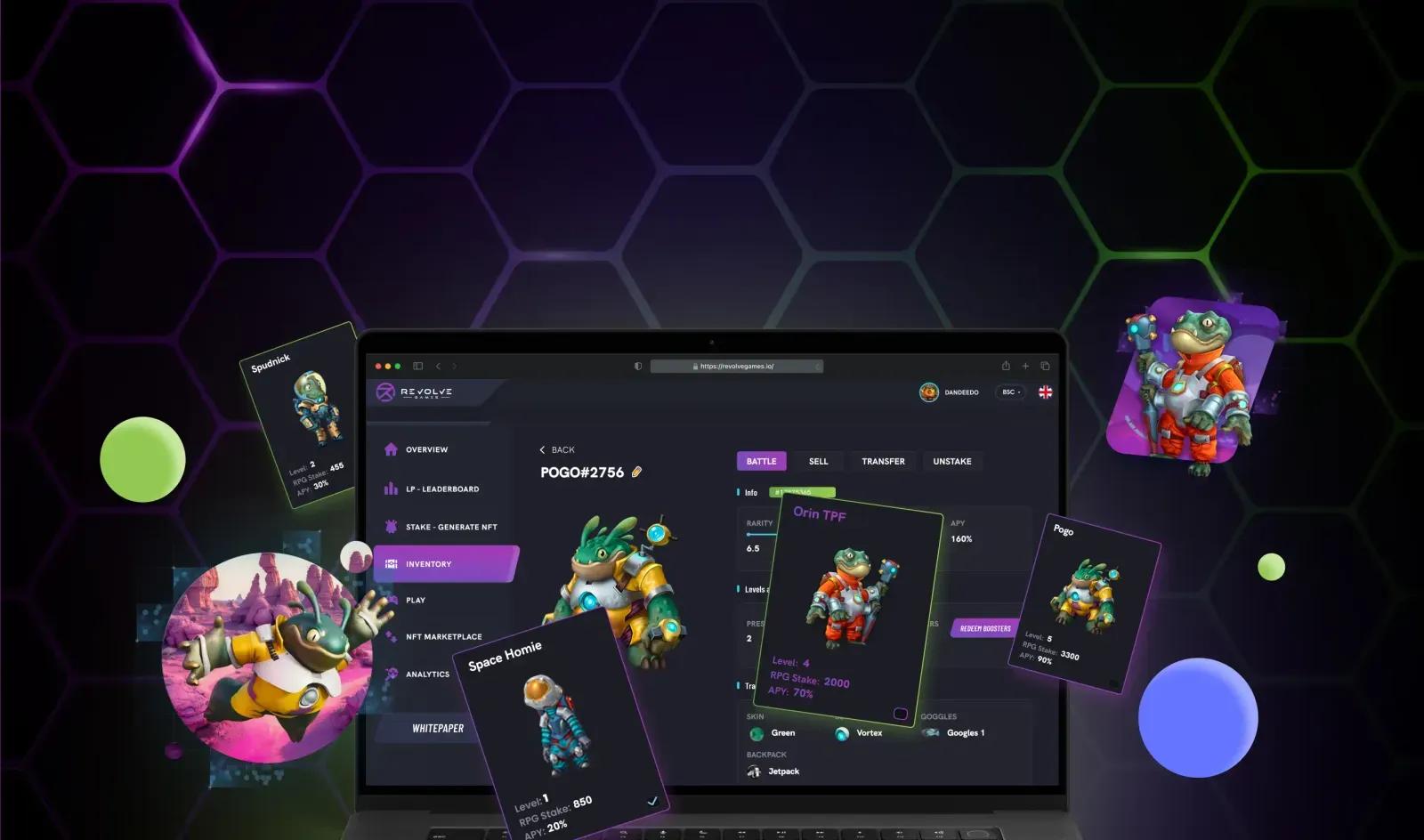
Revolve Games did not begin with a buzzword pitch. The goal was straightforward: build a blockchain gaming platform that feels solid, responsive, and familiar to players, while still being fully decentralized under the hood. The team wanted a Web3 gaming platform where connecting a wallet is the normal way to start playing, not a technical hurdle, and where rewards and ownership are handled by smart contracts rather than backend logic.
This decentralized gaming platform had to balance two expectations. Players wanted fluid gameplay, quick feedback, and progression. The infrastructure needed to support secure blockchain transactions, visible NFT ownership, and a transparent token-based game economy. NFT marketplace integration and AI analytics for games were built as stability tools, not gimmicks, to keep the system understandable as it grows. This case study walks through how the GameFi platform development came together and why this blockchain-based gaming solution focuses on trust instead of hype.
Key Challenges
AAA Polish Without Centralized Shortcuts
Players are accustomed to high-quality interfaces and responsiveness. Delivering that level inside a decentralized gaming platform was not trivial. Every session depends on wallet integration for games, not email logins or custodial accounts, so the experience had to feel smooth without hiding what is happening on-chain.
Keeping The Token Economy Durable
Many play-to-earn platforms look healthy at launch and then quickly lose balance. We had to design a token-based game economy that could support rewards, NFT usage, and marketplace activity without constant manual intervention. All value transfers needed to remain secure blockchain transactions with predictable costs and full visibility.
Scaling Without Losing Performance
Usage spikes appear fast in Web3 gaming. The platform had to function as a scalable blockchain gaming platform, handling live gameplay, NFT releases, and trading spikes without slowing down. AI analytics for games became critical for spotting issues before players felt them.
Visibility Without Overreach
The team needed insight into player behavior, suspicious activity, and treasury movements while staying decentralized. Governance tools had to complement smart contracts, not override them.
What We Built
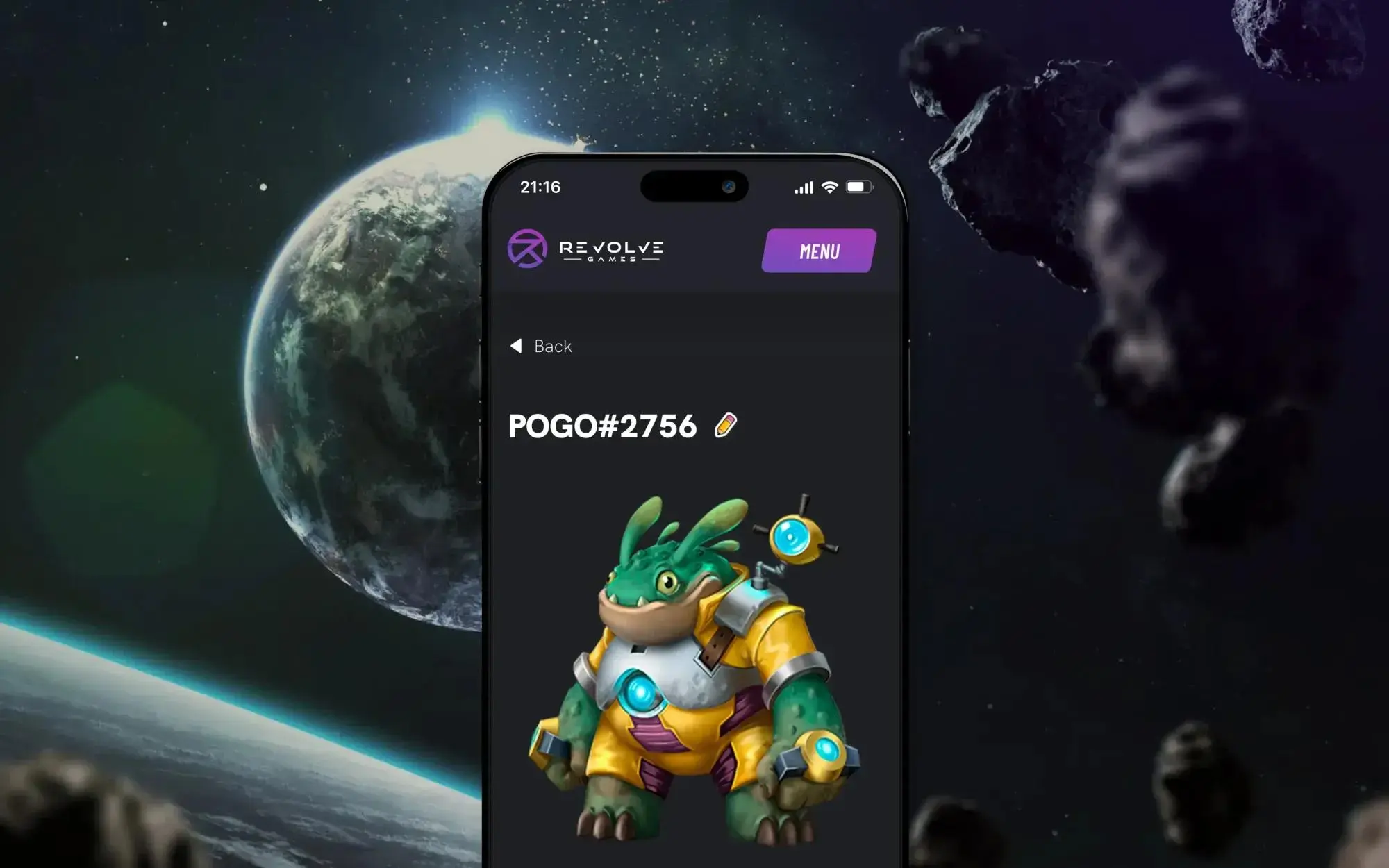
We built a Web3 gaming platform where gameplay stays responsive, but the important parts are enforced on-chain. Wallet integration for games is the starting point, smart contract game development locks in the rules, and NFT marketplace integration connects assets directly to the token-based game economy instead of isolating them.
Wallet-First Player Experience
Sessions, asset custody, and rewards start with MetaMask. Players stay in control; there are no custodial balances and no hidden approvals. Every transfer is a secure blockchain transaction with clear signatures and transparent gas.
Smart Contracts Set The Rules
Audited Solidity contracts contain game logic, reward calculation, and distribution rules. Nothing happens off the record. This makes the crypto gaming platform easy to verify and hard to manipulate.
Token Economy Tied To Gameplay
Gameplay mechanics and marketplace liquidity are separated using two tokens under ERC-20/BEP-20 standards. NFTs deliver real in-game value, not vanity. With NFT marketplace integration, trading, upgrades, and ownership all stay inside one decentralized game economy.
Live-Ops Without Central Control
The admin console lets the team tune parameters, track treasury wallets, and manage marketplace rules. Audit trails, analytics, and logs give a clear picture without introducing custodial power or hidden overrides.
Platform Architecture
The platform is modular so any change in one area does not slow the rest of the experience.
- React-driven game client and web application to speed up UI development
- Web3.js-integrated Solidity smart contracts on BSC
- Node.js backend with PostgreSQL for profiles, leaderboards, and telemetry
- Redis caching for lobbies and marketplaces
- KeystoneJS live-ops and NFT metadata panel
- AWS infrastructure with CI/CD pipelines for seamless, no-downtime releases
- AI analytics for games to track reward flows, token velocity, and abnormal patterns across the decentralized game economy
Outcomes
The final product is a decentralized gaming platform that feels polished without hiding how it works. Wallet-first onboarding streamlined the experience, and audited smart contracts replaced manual arbitration. Players can see how payouts work and where NFTs move, which builds confidence in the token-based game economy.
Using AI analytics for games, the team spotted unhealthy reward loops early and adjusted before they caused real damage. New releases shipped through CI/CD, while AWS scaling and Redis caching kept gameplay smooth during high-demand NFT drops. The project showed that a blockchain gaming MVP can grow in a controlled, sustainable way without sacrificing fairness.
MVP Development Team is part of Idealogic Group, delivering Web3 gaming builds with shared engineering standards, security practices, and delivery playbooks. For details on how we handle data and collaborations, see our Privacy Policy.
Listen To Our Customer First Hand
★ ★ ★ ★ ★
"Cooperating with the development team has brought many benefits for us, and it is like having a new powerful tool in our hands. They have experience in blockchain development, and the team is very professional and has contributed great impact, creativity, and teamwork to our project. What impressed me the most is that they seemed to grasp our idea and our project."
Dan Jensen, CEO, Co-founder of Revolve Games
Summary
This blockchain game development project shows that Web3 gaming platforms do not have to choose between good gameplay and transparency. By putting core logic into smart contracts, integrating NFTs into actual gameplay, and relying on analytics instead of guesswork, the team built a scalable blockchain gaming platform that players can understand and trust.
For crypto gaming startups, the lesson is practical: design the decentralized game economy early, keep secure blockchain transactions visible, and make wallet integration for games the default from day one. That strategy helps growth over time without relying on hype.
Techstack
Our implementation uses a scalable Web3 stack built for a decentralized gaming platform with NFT and play-to-earn mechanics.
| Area | Technology |
|---|---|
| Blockchain & Smart Contracts | Binance Smart Chain, Solidity, Web3.js |
| Wallets | MetaMask integration |
| Frontend | React |
| Backend | Node.js, REST API |
| Database | PostgreSQL |
| Admin | KeystoneJS |
| Cache | Redis |
| Tokens & NFTs | ERC-20/BEP-20 dual-token model, ERC-721 NFTs, NFT marketplace integration |
| Infrastructure | AWS, CI/CD pipelines |
| Analytics | AI analytics for games and economy monitoring |