From Idea to Launch: The Complete MVP Development Process

Introduction
Did you know that about half of new US businesses are gone within five years? Only about one in five closes in the first twelve months, so the real danger is rarely a sudden collapse. It's not that they lack talent or funding—they're building products that no one really wants. That's a sobering statistic that keeps many entrepreneurs awake at night, and it's precisely why the MVP process exists. A Minimum Viable Product isn't just a buzzword thrown around the startup community. It's your safety net against building something that finds no market. The MVP development process transforms your great idea into something tangible that people can use and give feedback on. Think of it as your product's first conversation with the world. You're not trying to build something perfect—you're trying to build something good enough to learn from. This approach has saved countless startups time, money, and sanity by helping them create products that actually solve real problems. This guide will walk you through the entire MVP development process, from initial idea to launch day. Whether you're a first-time founder or a seasoned entrepreneur, this process will help you work smarter, not harder.
The MVP process is about building something good enough to learn from, not something perfect.
What is MVP and Why It Matters
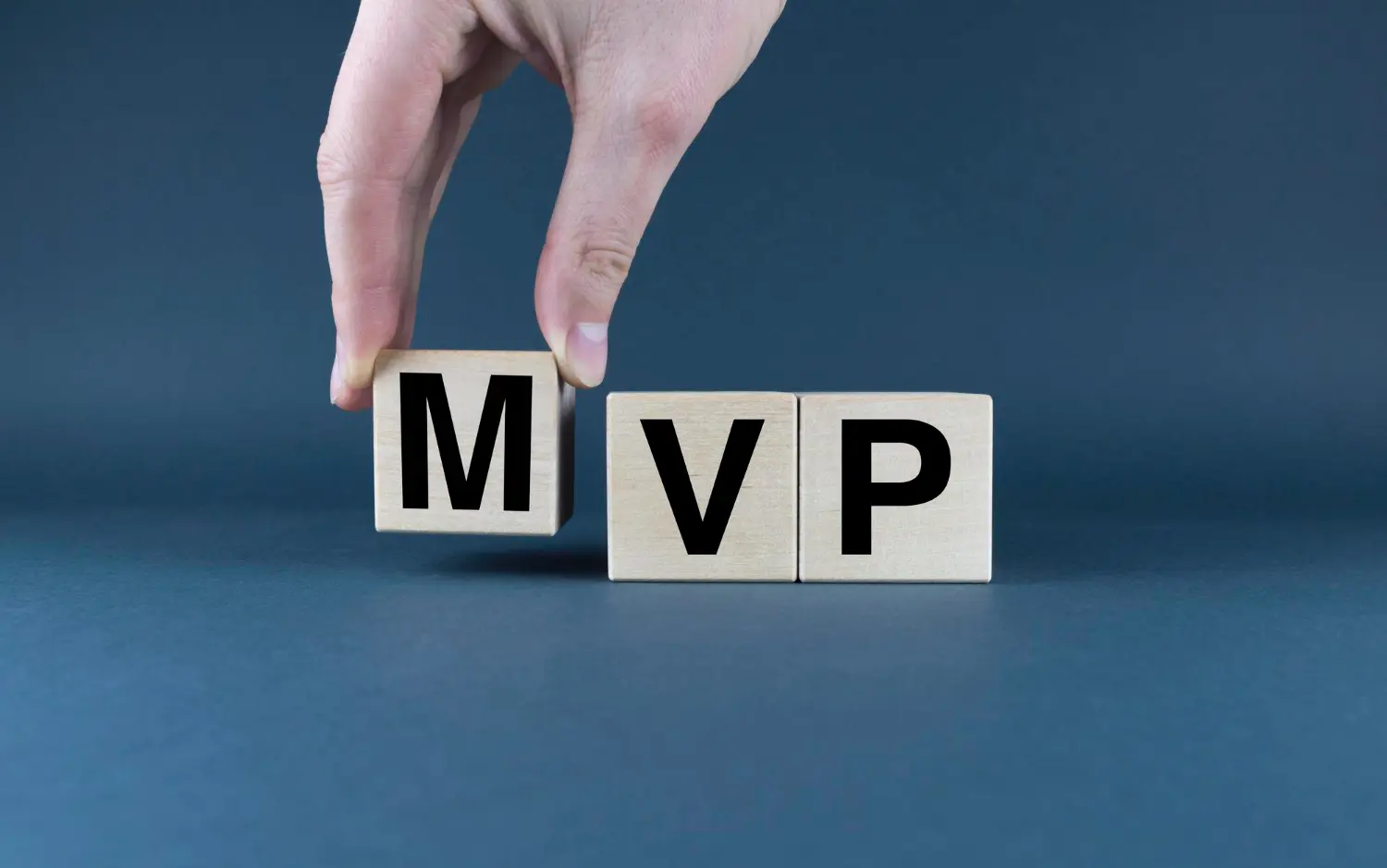
Let's settle this once and for all. MVP doesn't stand for Most Valuable Player—it's Minimum Viable Product. Understanding this concept well can save you months of work and thousands of dollars. An MVP is simply the smallest, simplest version of your app that people can actually use and find helpful. Think of it as your app's first draft—not the masterpiece, but something that works and solves a real problem. The key word here is "viable"—it must be good enough that people will actually want to use it.
What Makes a Good MVP
Your MVP should focus on solving one core problem rather than trying to do everything at once. Here are the essential elements:
- Essential features that address your users' biggest problem
- Clean, intuitive user interface
- Stable functionality without expensive development
- Simple user registration and login system
- Basic security measures to protect user data
This approach lets you see what works, what doesn't, and what people actually care about before investing in full development.
MVP Strategy Planning
You have a great app idea and understand what an MVP is—now you need to make decisions that create a successful product, not another expensive failure. MVP strategy isn't just choosing which features to include; it's planning your entire development process to make sense during your startup journey. Start by identifying your core user problem and work backwards from there. List the one most important thing your app must do—not ten things, just one. That's your foundation. Write your essence statement in a single sentence and post it somewhere visible. If you can't describe your app's core purpose in one sentence, you're not ready to build it yet.
Breaking Down Your Feature List
Once you've nailed your core problem, you need to be ruthless about prioritizing features. Here's a proven three-bucket system:
- Must-have: Features that solve your core problem—without these, your app is useless
- Should-have: Features that improve the experience but aren't deal-breakers
- Could-have: Nice-to-have features that can wait for later releases
For your MVP, focus only on the must-have features that solve your core problem. Everything else gets pushed to future releases.
The biggest mistake founders make is trying to plan everything simultaneously. You can't.
Ready to Build Your MVP?
Start with our proven framework that's helped 100+ startups launch successfully.
Get Started TodayDesigning the User Experience
This is where things get interesting—and where most people fail spectacularly. With MVPs, there's a temptation to strip everything down so much that you forget people actually need to use and enjoy your app. I've seen teams create such bare-bones experiences that users couldn't figure out what the app was supposed to do! The goal is finding the sweet spot between simple and useful. Your MVP solution must be elegant, not just functional. This means spending time on user experience—how someone navigates your app to accomplish their goal. Every tap, swipe, and scroll should feel natural.
Focus on the Core User Flow
Start with your core user story and map out every step. For a food delivery app, this might be:
- Open app → Find restaurant → Select food → Pay → Track order
Everything else is secondary. Polish this flow until it feels effortless.
Keep It Simple, Not Basic
Simple doesn't mean boring or ugly—it means effective and intentional. Use familiar patterns that people already understand. Don't reinvent the wheel just because you can. Make your users' lives easier, not harder.
The Technical Foundation
Here's what makes non-technical founders break into a cold sweat: the actual development process. After working with numerous startup teams, those that get this part right understand that your MVP isn't about building something perfect—it's about building the right things well enough. The secret is choosing your tech stack wisely. You want something reliable, scalable, and most importantly, something your team knows how to use well. I've seen too many projects derail when someone decided they needed the newest, shiniest framework when tried-and-true would have worked perfectly.
Start with Core Features
Begin with your absolute must-haves—the features that make your product actually solve the problem you set out to address. Everything else can wait. Focus on your foundations:
- Database design
- API structure
- User authentication
Get these solid before you even think about those nice-to-have features. Your development process should be built around rapid iteration and quick feedback. Build something small, test it, learn from it, then build the next piece. This keeps you moving forward without getting trapped in perfectionism—the enemy of successful product development.
Testing and Refinement Cycles
This is where things get exciting—and where many teams stumble. MVP testing isn't a one-time event; it's an ongoing conversation with your users that shapes your product's future. Testing is like having a crystal ball, except there's no magic involved—you're using actual user feedback to predict what will work. The beauty of MVP testing is its simplicity. You're not trying to get everything right at once; you're validating your core assumptions and discovering what users actually want versus what you think they want.
Types of Testing That Really Count
Here are the testing approaches that provide the most valuable insights:
- User acceptance testing with real people (not your friends or family)
- A/B testing different features to see what resonates
- Performance testing to catch technical hiccups early
- Usability testing to identify confusing user paths
- Beta testing with a small group of target users
Don't Try to Fix Everything at Once
Collect feedback, analyze data, make specific improvements, and repeat. It's a rhythm you develop, and once you master it, it becomes second nature.
There's always a huge difference between what users actually want and what you think they want!
Preparing for Market Launch
You've built your MVP, tested it with users, and made those crucial improvements. Now comes the part that makes most founders break into a cold sweat—putting it out into the world! This stage can be nerve-wracking, but you've already done the hard work. Your MVP is ready, and it's time to get it into real users' hands.
App Store Preparation
Start by getting your app store situation sorted. Whether you're launching on iOS, Android, or both, these store listings will be your digital storefront. Write compelling descriptions that clearly explain what your app does and why people should care. Screenshots matter more than you might think—they're often the deciding factor for downloads. Make sure they showcase your app's key features, not just pretty static screens.
Technical Setup
Before you hit that publish button, ensure your analytics are properly configured. You'll want to track user behavior from day one:
- How are people using your app?
- Where are they dropping off?
This data is gold for your next iteration cycle. Don't forget crash reporting either—nothing kills momentum like a buggy app that users can't trust.
Building Pre-Launch Buzz
Start generating excitement before launch day:
- Share your development journey on social media
- Email your network
- Consider a soft launch with a smaller group first
This gives you one last chance to catch any issues before your big moment.
Launch Day and Beyond
Launch day isn't the end of your startup journey—it's actually just the beginning. Your MVP will start receiving real user data, feedback, and hopefully some revenue. Stay close to your users during those first few weeks:
- Respond to reviews
- Fix bugs quickly
- Keep that development cycle moving
The beauty of the MVP process is that you're not done—you're just starting real market validation.
Conclusion
Building an MVP isn't just about creating a bare-bones version of your app—it's about learning what your users actually want before you spend months building something nobody needs. I've seen too many great ideas fail because teams skipped this process and went straight to building their dream product. The beauty of MVP development is its simplicity. You start with the most basic version that solves your core problem, get it to real users, and improve it based on their feedback. This saves you time, money, and the heartbreak of discovering your assumptions were wrong after you've built everything. Every successful app you use today started as an MVP:
- Facebook began as a simple university directory
- Instagram started as a basic photo-sharing app with simple filters
They didn't launch with all the features they have today—they built those features based on what users actually needed. Start small, think big. Your MVP isn't your final destination—it's your foundation. Focus on solving one problem really well, listen to your users, and iterate based on real data, not guesswork. That's how you build something people will actually use and love.
New to these concepts? Our glossary breaks down Minimum Viable Product, Success Metrics and Rapid Prototyping.
Tags
Introduction
Did you know that about half of new US businesses are gone within five years? Only about one in five closes in the first twelve months, so the real danger is rarely a sudden collapse. It's not that they lack talent or funding—they're building products that no one really wants. That's a sobering statistic that keeps many entrepreneurs awake at night, and it's precisely why the MVP process exists. A Minimum Viable Product isn't just a buzzword thrown around the startup community. It's your safety net against building something that finds no market. The MVP development process transforms your great idea into something tangible that people can use and give feedback on. Think of it as your product's first conversation with the world. You're not trying to build something perfect—you're trying to build something good enough to learn from. This approach has saved countless startups time, money, and sanity by helping them create products that actually solve real problems. This guide will walk you through the entire MVP development process, from initial idea to launch day. Whether you're a first-time founder or a seasoned entrepreneur, this process will help you work smarter, not harder.
The MVP process is about building something good enough to learn from, not something perfect.
What is MVP and Why It Matters
Let's settle this once and for all. MVP doesn't stand for Most Valuable Player—it's Minimum Viable Product. Understanding this concept well can save you months of work and thousands of dollars. An MVP is simply the smallest, simplest version of your app that people can actually use and find helpful. Think of it as your app's first draft—not the masterpiece, but something that works and solves a real problem. The key word here is "viable"—it must be good enough that people will actually want to use it.
What Makes a Good MVP
Your MVP should focus on solving one core problem rather than trying to do everything at once. Here are the essential elements:
- Essential features that address your users' biggest problem
- Clean, intuitive user interface
- Stable functionality without expensive development
- Simple user registration and login system
- Basic security measures to protect user data
This approach lets you see what works, what doesn't, and what people actually care about before investing in full development.
MVP Strategy Planning
You have a great app idea and understand what an MVP is—now you need to make decisions that create a successful product, not another expensive failure. MVP strategy isn't just choosing which features to include; it's planning your entire development process to make sense during your startup journey. Start by identifying your core user problem and work backwards from there. List the one most important thing your app must do—not ten things, just one. That's your foundation. Write your essence statement in a single sentence and post it somewhere visible. If you can't describe your app's core purpose in one sentence, you're not ready to build it yet.
Breaking Down Your Feature List
Once you've nailed your core problem, you need to be ruthless about prioritizing features. Here's a proven three-bucket system:
- Must-have: Features that solve your core problem—without these, your app is useless
- Should-have: Features that improve the experience but aren't deal-breakers
- Could-have: Nice-to-have features that can wait for later releases
For your MVP, focus only on the must-have features that solve your core problem. Everything else gets pushed to future releases.
The biggest mistake founders make is trying to plan everything simultaneously. You can't.
Ready to Build Your MVP?
Start with our proven framework that's helped 100+ startups launch successfully.
Get Started TodayDesigning the User Experience
This is where things get interesting—and where most people fail spectacularly. With MVPs, there's a temptation to strip everything down so much that you forget people actually need to use and enjoy your app. I've seen teams create such bare-bones experiences that users couldn't figure out what the app was supposed to do! The goal is finding the sweet spot between simple and useful. Your MVP solution must be elegant, not just functional. This means spending time on user experience—how someone navigates your app to accomplish their goal. Every tap, swipe, and scroll should feel natural.
Focus on the Core User Flow
Start with your core user story and map out every step. For a food delivery app, this might be:
- Open app → Find restaurant → Select food → Pay → Track order
Everything else is secondary. Polish this flow until it feels effortless.
Keep It Simple, Not Basic
Simple doesn't mean boring or ugly—it means effective and intentional. Use familiar patterns that people already understand. Don't reinvent the wheel just because you can. Make your users' lives easier, not harder.
The Technical Foundation
Here's what makes non-technical founders break into a cold sweat: the actual development process. After working with numerous startup teams, those that get this part right understand that your MVP isn't about building something perfect—it's about building the right things well enough. The secret is choosing your tech stack wisely. You want something reliable, scalable, and most importantly, something your team knows how to use well. I've seen too many projects derail when someone decided they needed the newest, shiniest framework when tried-and-true would have worked perfectly.
Start with Core Features
Begin with your absolute must-haves—the features that make your product actually solve the problem you set out to address. Everything else can wait. Focus on your foundations:
- Database design
- API structure
- User authentication
Get these solid before you even think about those nice-to-have features. Your development process should be built around rapid iteration and quick feedback. Build something small, test it, learn from it, then build the next piece. This keeps you moving forward without getting trapped in perfectionism—the enemy of successful product development.
Testing and Refinement Cycles
This is where things get exciting—and where many teams stumble. MVP testing isn't a one-time event; it's an ongoing conversation with your users that shapes your product's future. Testing is like having a crystal ball, except there's no magic involved—you're using actual user feedback to predict what will work. The beauty of MVP testing is its simplicity. You're not trying to get everything right at once; you're validating your core assumptions and discovering what users actually want versus what you think they want.
Types of Testing That Really Count
Here are the testing approaches that provide the most valuable insights:
- User acceptance testing with real people (not your friends or family)
- A/B testing different features to see what resonates
- Performance testing to catch technical hiccups early
- Usability testing to identify confusing user paths
- Beta testing with a small group of target users
Don't Try to Fix Everything at Once
Collect feedback, analyze data, make specific improvements, and repeat. It's a rhythm you develop, and once you master it, it becomes second nature.
There's always a huge difference between what users actually want and what you think they want!
Preparing for Market Launch
You've built your MVP, tested it with users, and made those crucial improvements. Now comes the part that makes most founders break into a cold sweat—putting it out into the world! This stage can be nerve-wracking, but you've already done the hard work. Your MVP is ready, and it's time to get it into real users' hands.
App Store Preparation
Start by getting your app store situation sorted. Whether you're launching on iOS, Android, or both, these store listings will be your digital storefront. Write compelling descriptions that clearly explain what your app does and why people should care. Screenshots matter more than you might think—they're often the deciding factor for downloads. Make sure they showcase your app's key features, not just pretty static screens.
Technical Setup
Before you hit that publish button, ensure your analytics are properly configured. You'll want to track user behavior from day one:
- How are people using your app?
- Where are they dropping off?
This data is gold for your next iteration cycle. Don't forget crash reporting either—nothing kills momentum like a buggy app that users can't trust.
Building Pre-Launch Buzz
Start generating excitement before launch day:
- Share your development journey on social media
- Email your network
- Consider a soft launch with a smaller group first
This gives you one last chance to catch any issues before your big moment.
Launch Day and Beyond
Launch day isn't the end of your startup journey—it's actually just the beginning. Your MVP will start receiving real user data, feedback, and hopefully some revenue. Stay close to your users during those first few weeks:
- Respond to reviews
- Fix bugs quickly
- Keep that development cycle moving
The beauty of the MVP process is that you're not done—you're just starting real market validation.
Conclusion
Building an MVP isn't just about creating a bare-bones version of your app—it's about learning what your users actually want before you spend months building something nobody needs. I've seen too many great ideas fail because teams skipped this process and went straight to building their dream product. The beauty of MVP development is its simplicity. You start with the most basic version that solves your core problem, get it to real users, and improve it based on their feedback. This saves you time, money, and the heartbreak of discovering your assumptions were wrong after you've built everything. Every successful app you use today started as an MVP:
- Facebook began as a simple university directory
- Instagram started as a basic photo-sharing app with simple filters
They didn't launch with all the features they have today—they built those features based on what users actually needed. Start small, think big. Your MVP isn't your final destination—it's your foundation. Focus on solving one problem really well, listen to your users, and iterate based on real data, not guesswork. That's how you build something people will actually use and love.
New to these concepts? Our glossary breaks down Minimum Viable Product, Success Metrics and Rapid Prototyping.
Tags